When Spending More Actually Meant Spending Less: My Espresso Machine Story
I always like to start with context when I write these click-bait titles. While I’d love my story to touch more lives, I also live in a realistic world where I know this won’t apply to everyone. In 2021, I made a big purchase. I clicked “submit order” on Clive Coffee for my dream espresso machine setup. Here is the receipt:
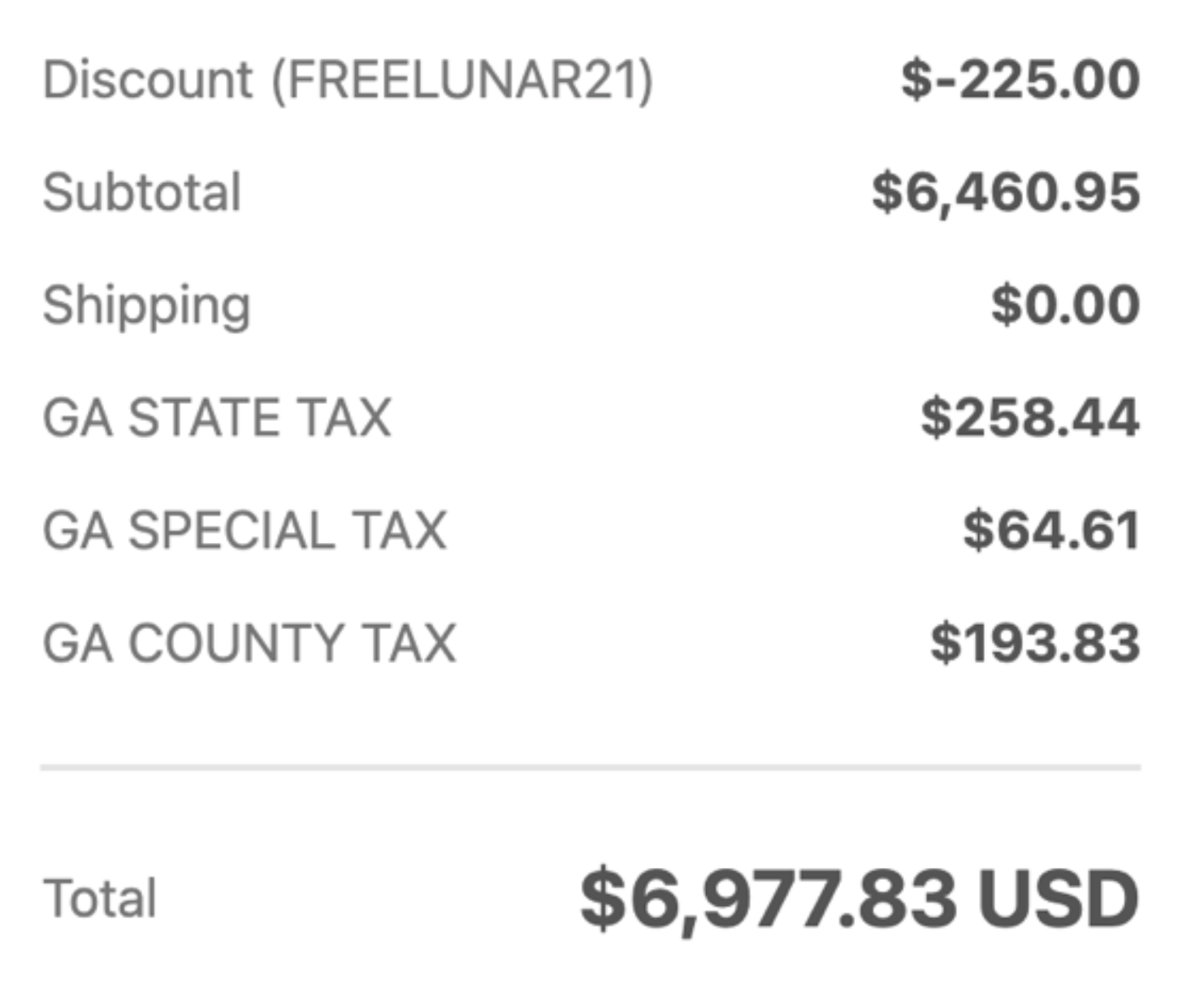
By that point, I was two years into a corporate finance job I never expected to have. My income had nearly doubled from my time working in higher education, and I’d received a few unexpected bonuses along the way. I was also serving as a Captain in the Army National Guard, which came with part-time paychecks. There were pockets of surplus income that were saved to make such a large purchase.
Around the same time, I had become deeply attached to a morning ritual: stopping by my local coffee shop for a specialty espresso.
I loved everything about it—the people, the smell of brewing coffee, and the inevitable jolt of alertness after the first few sips. I tied the routine to the caffeine. I mention this because my decision to spend a small fortune recreating that experience at home wasn’t rooted in the tired “if you’d just stop buying lattes, you could retire at 45” narrative that dominates financial headlines.
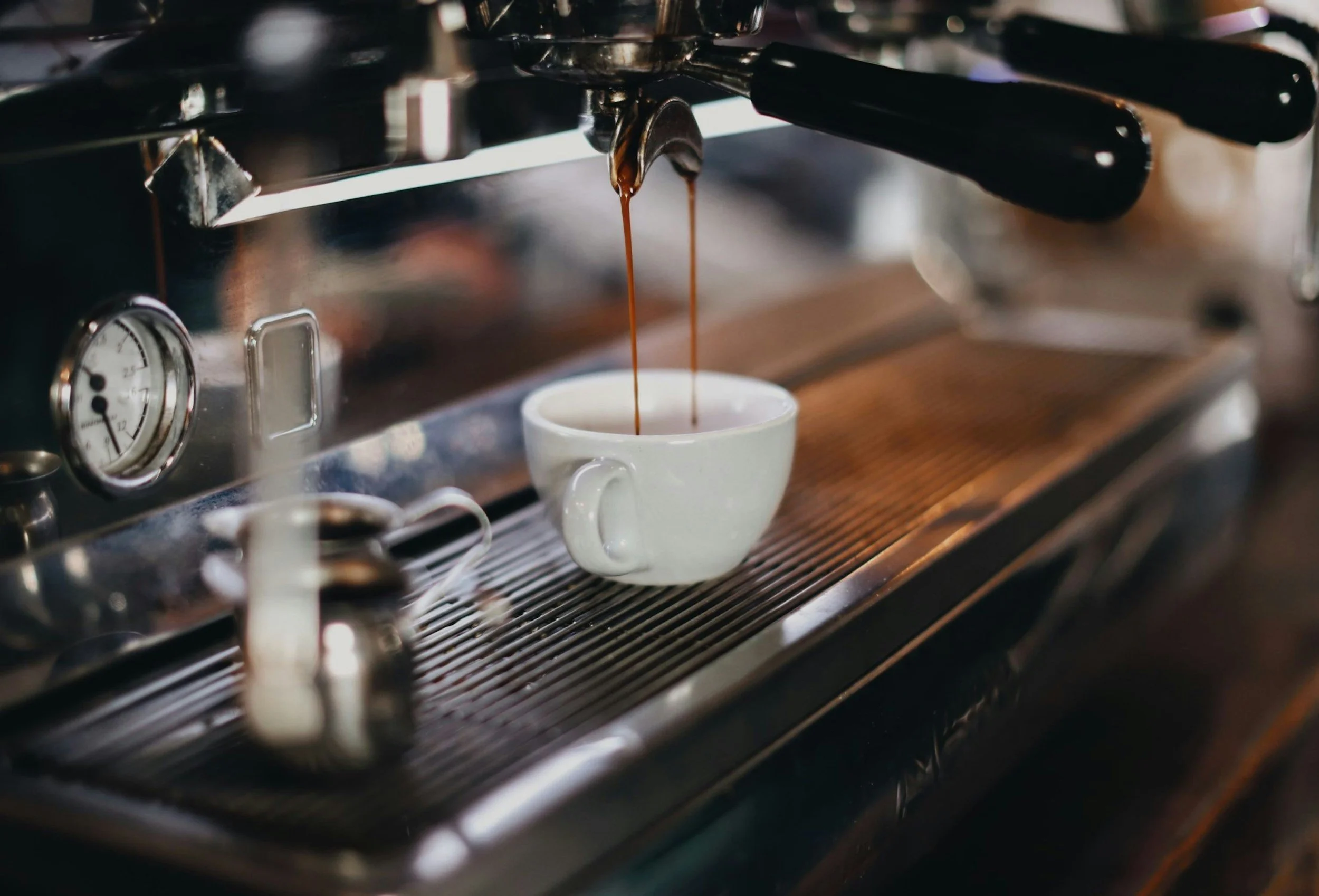
The real motivation was curiosity. I wanted to learn how to recreate good espresso. By then, I could tell the difference between a good shot and a bad one, and I was genuinely interested in the process. One morning, while waiting in line for coffee, my spouse (who didn’t even like coffee at the time) casually wondered aloud whether it was possible to own the same machine the baristas were using. The brand name, those iconic shiny red letters, came into focus. We did a quick Google search and learned that you could own one… for about $5,000. That idea lodged itself permanently in my brain.
If I was going to commit, I wanted to do it right.
I set up a small robo-advisor brokerage account through Fidelity and started funneling my Army paychecks there. Once I hit my savings goal, I’d buy the machine. A three week overseas training exercise, while still being paid my full-time salary, was the final push. Few days are as seared into my memory as the day that machine arrived from Italy. I even paid one of the baristas to come over and give me a crash course. It was only up from there.
There are few things I love more than a slow morning. Brewing an excellent shot of espresso while reading my newsletters (today’s version of the morning paper, I guess) feels like true luxury. Paired with good company and conversation? Even better. I genuinely mean it when I say that this purchase has brought me joy every single day since I made it. And yes—now, five years later, I can justify it financially.
At the time, I was going to the coffee shop every single morning, even on Christmas and snow days. A double espresso ran about $5 most days, which adds up to roughly $1,800 a year. I now spend about $15–$20 on a bag of specialty coffee every week and a half, which comes out to roughly $600 annually. Ignoring smaller maintenance costs, that nets out to about $1,200 saved each year. With coffee prices rising and my spouse now drinking espresso too, the math has only improved. At that pace, the machine paid for itself in under six years.
In a world of ever-rising costs, I appreciate the logic behind the numbers. But the real value was never just the savings.
It was learning about specialty coffee, the art and science behind it, and allowing a hobby to grow into something I genuinely love. This purchase shaped how I think about money: intentional spending on things that bring daily joy can be just as meaningful as saving and investing.